20+ Grandma Approved Survival + Money Tips
/
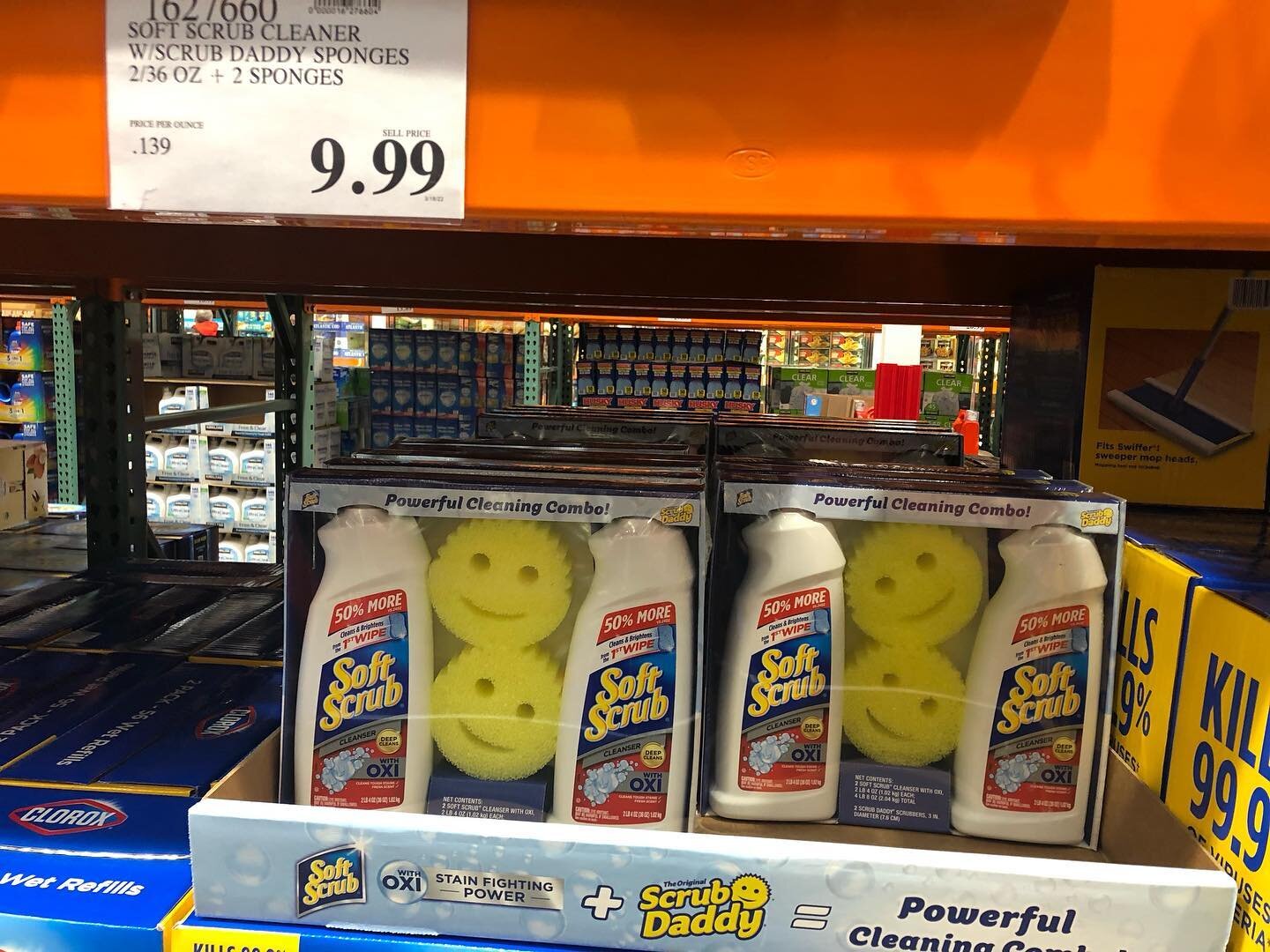
1. Use cloth instead of paper. My grandma had a bucket of clean rags, that she used to wipe down everything. She rarely used paper towels. Microfiber cloths are also a great option, washable, durable, and reusable.
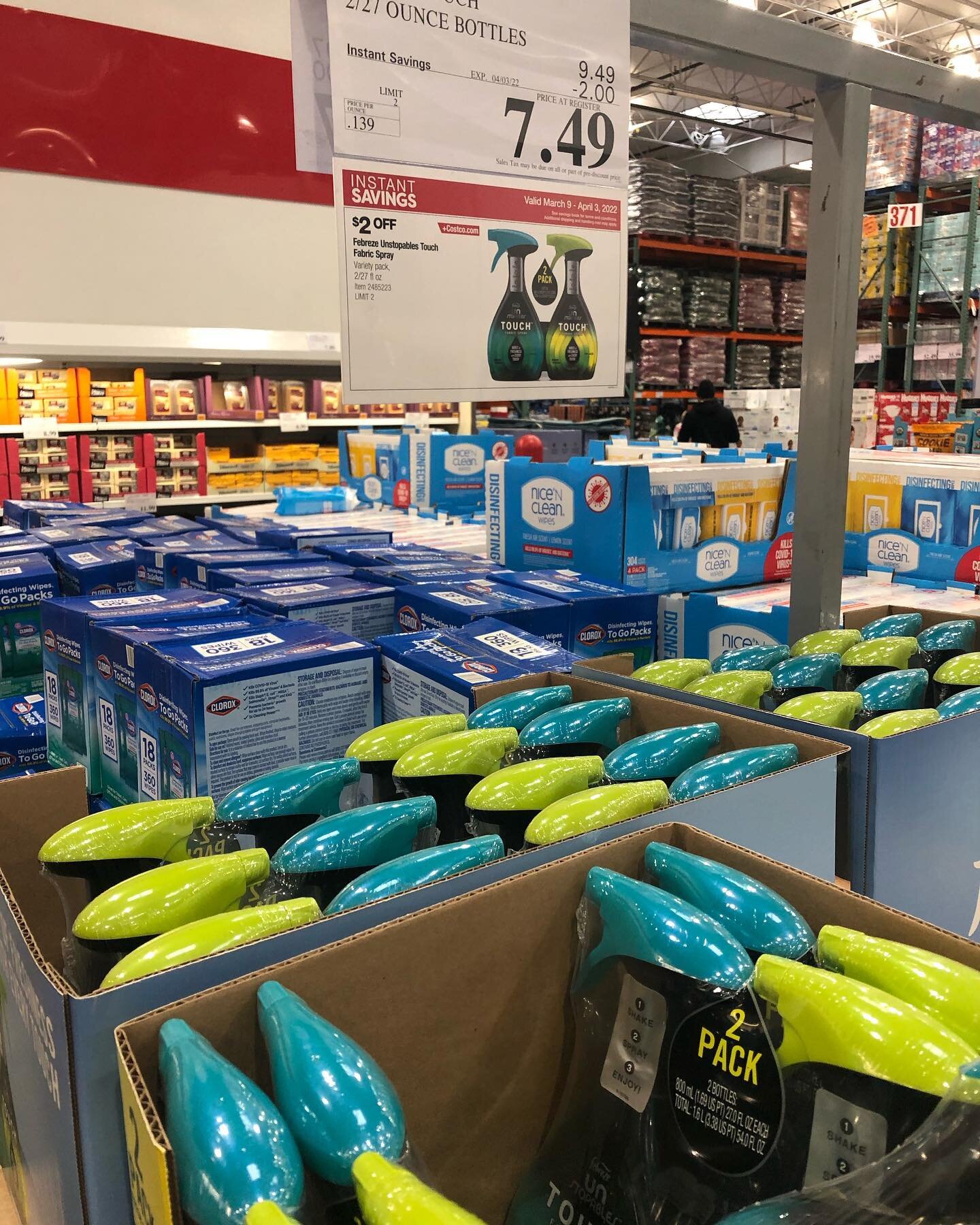
2. Buy and use green cleaning products, or make them yourself! Just search on Pinterest for eco-friendly green cleaner recipes. Plus, shop for eco-friendly beauty products, eco-friendly fashion lines, and eco-friendly home decor. I really like Green Works and Method.
3. Laundry. Wash laundry in cold water instead of hot. Line-dry when you can. There is nothing like line-dried clothing, that has dried in the sun! You will never forget that clean air smell.
4. Conserve Energy — Turn off the lights when you leave the room, or open the curtains and blinds and rely on the sunlight to cut down on electricity use. Only run the dishwasher when you have a full load. Shut down and turn off your computer completely at night.
5. Change your light bulbs. Switch a few of your light bulbs to CFLs, which use about 75 percent less energy and last seven to 10 times longer than regular incandescent bulbs, until eventually, you have all of your home switched over.
6. Repurpose glass jars as leftover containers, bulk storage or even pretty vases. I love mason jars for this.
7. Buy used and donate. Shop thrift stores and Craigslist for clothing, home items, and more. Grandma was a thrift shopper, she loved a good deal. She also loved to knit, sew and crochet. While I’m not much of a thrift shopper, I donate a lot to Goodwill.
8. Stop using disposable plastic bags. Purchase reusable bags. They are more durable and don’t clog up landfills!
9. Quilting/reusing material/reusing old clothes and sheets for the material. Grandma was an expert seamstress and could make all kinds of clothing, Halloween costumes, and more.
10. Gardening. Grandma was known for her beautiful gardens. She grew not only flowers but rows of corn and raspberries, potatoes, green beans, and much more.
11. Canning food. I remember every fall growing up, Grandma would can food. This was a long procedure, from picking the food, preparing it, and then canning it. It paid off- all winter, they had fresh, homegrown food on their table.
12. Baking your own bread — Really, is there anything better than homemade bread? Grandma didn’t think so either. Homemade bread, with a bit of homemade jelly or butter, was always a special treat at Grandma’s house.
13. Go meatless- Focus on beans and pasta and skip the chicken and hamburger. I am finding the cost of meat is too high to eat meat every night. Also, look into plant-based foods.
14. Return items you aren’t using. It is very easy to hang onto clothing, shoes, etc. that don’t fit exactly right but returning it is a pain. Just yesterday I returned shoes that didn’t fit well and got back a $40 DSW credit I spent on some other items I needed.
15. Grandma believed in giving back and volunteering. Whether it’s mentoring a young person, helping out at a homeless shelter, or participating in a community clean-up, giving back can help you feel better.
16. Take care of what you own. Whether it is making sure your car oil is changed, mending clothes or repairing small appliances, it’s important to take care of the items you already own.
17. Choose quality. My grandmother was lucky enough to inherit lots of antique furniture from her mom. She had great furniture that lasted the test of time. A few of the pieces were passed down to her grandchildren and we cherish them.
18. Restore furniture: Many neighborhoods have second-hand furniture out on trash day. My grandfather would find some gems this way! A coat of paint or new hardware can completely transform a tired dresser or table.
19. Have a Strong Network. Anyone who has lived in the country knows it’s important to know your neighbors and work together. My grandparent’s families had lived “on the hill” for almost 100 years. They were one of the original families to settle there. They knew many of the old timer neighbors, along with the newer neighbors in the McMansions. Country living can be rough and sharing resources is how they survived.